Skip to content
Beta. This is a soft launch of The 60305. We are actively reviewing and updating the information here. See something wrong? Email steve@26characters.com.
The 60305Beta

The homeowner’s manual
for River Forest.

You live here. So does everything on this site. Find a contractor the Village actually licenses, read up on the work before you pay for it, and keep an eye on Village meetings, pickups and events.

Browse the buying guidesFind a contractor
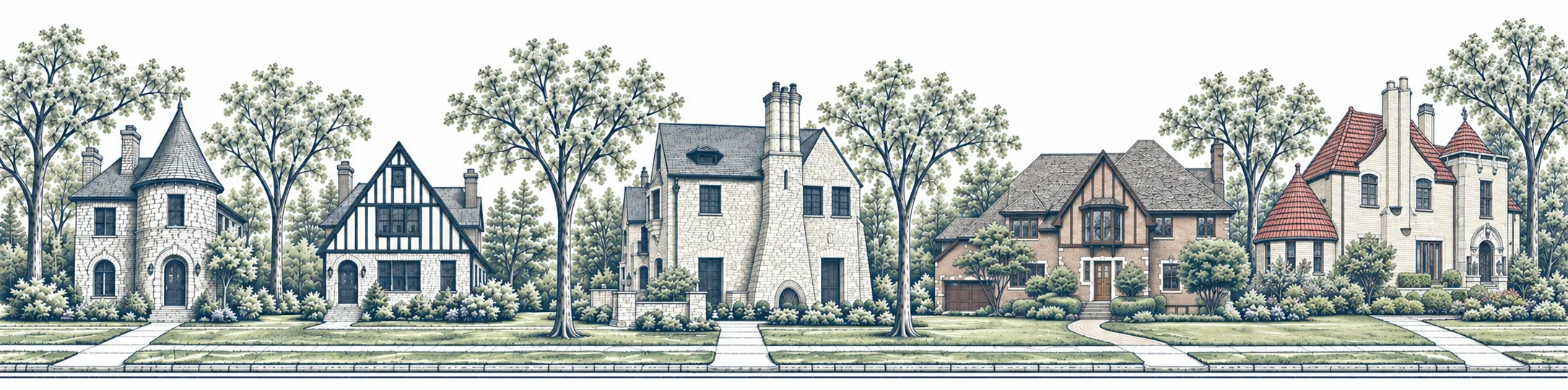
Illustrated street of River Forest houses with mature trees
Made by a River Forest homeowner, for River Forest homeowners

Buying guides

Twelve projects, explained for the houses between Thatcher and Harlem.

Written for 1900 to 1940 brick and frame, clay sewer tile, sixty-amp panels and hundred-year oaks. Read before you sign anything.

Furnace and air conditioningReading the estimate, what drives the price, staging, SEER2, and why a ten year warranty is not ten years of free repairs.$8,000 to $18,000Find a contractor →Heat pump conversionCold-climate heat pumps, dual-fuel with a gas backup, what happens at five below, and the ComEd rebate.$12,000 to $25,000Find a contractor →Water heater replacementTank or tankless, 40 or 50 gallons, why the flue matters after a furnace swap, and the expansion tank nobody mentions.$1,800 to $6,500Find a contractor →Tree removal and large pruningVillage tree rules, parkway trees you do not own, crane versus climb, stump grinding, and proof of insurance before anyone goes up.$800 to $8,000Find a contractor →Sewer line repair or replacementClay tile, root intrusion, camera inspections you should watch, lining versus dig, and who owns the pipe under the parkway.$3,500 to $25,000Find a contractor →Electrical panel upgrade60 amps to 200, what ComEd does and what your electrician does, knob and tube, and why the panel is the first question for a heat pump or EV.$2,500 to $7,500Find a contractor →Tuckpointing and masonryLime mortar versus Portland, why the wrong mix destroys a 1920s brick wall, grinding depth, and matching the color.$3,000 to $30,000Find a contractor →Exterior paintingLead-safe rules for pre-1978 houses, prep versus paint, primer, coats, and what a five year warranty actually covers.$6,000 to $20,000Find a contractor →Gutters and downspoutsFive inch versus six inch, seamless aluminum, where the water goes when it leaves the downspout, and gutter guards.$1,500 to $6,000Find a contractor →Basement waterproofingInterior drain tile, exterior excavation, sump and battery backup, and the grading fix that costs a tenth as much.$2,500 to $30,000Find a contractor →Chimney rebuild and liningCrown, cap, liner, rebuild from the roofline, and why a furnace replacement often triggers chimney work.$1,200 to $15,000Find a contractor →Concrete: driveway, walk and stepsThickness, base, rebar or mesh, control joints, the village sidewalk program, and the first winter.$2,000 to $15,000Find a contractor →

How we help

Understand your options before your next afternoon stroll down Park Avenue.

Nobody hands you a manual when you buy a hundred-year-old house. You learn the hard way that the sewer lateral is yours, that tuckpointing needs a permit, and that the furnace guy your neighbor swears by retired in 2019.

Every one of us who moved here compiled that knowledge one repair at a time, over years, mostly by asking around at Bertolli’s. This site is that knowledge written down: what the twelve big projects on an old River Forest house actually involve, who the Village has licensed to do them, and what the Village will help pay for.

It is built by neighbors, for the 60305 only. No contractor pays to appear in a directory or to rank higher in one, and anything a company does pay for is labeled where it appears. Three things you can do here matter more than the rest.
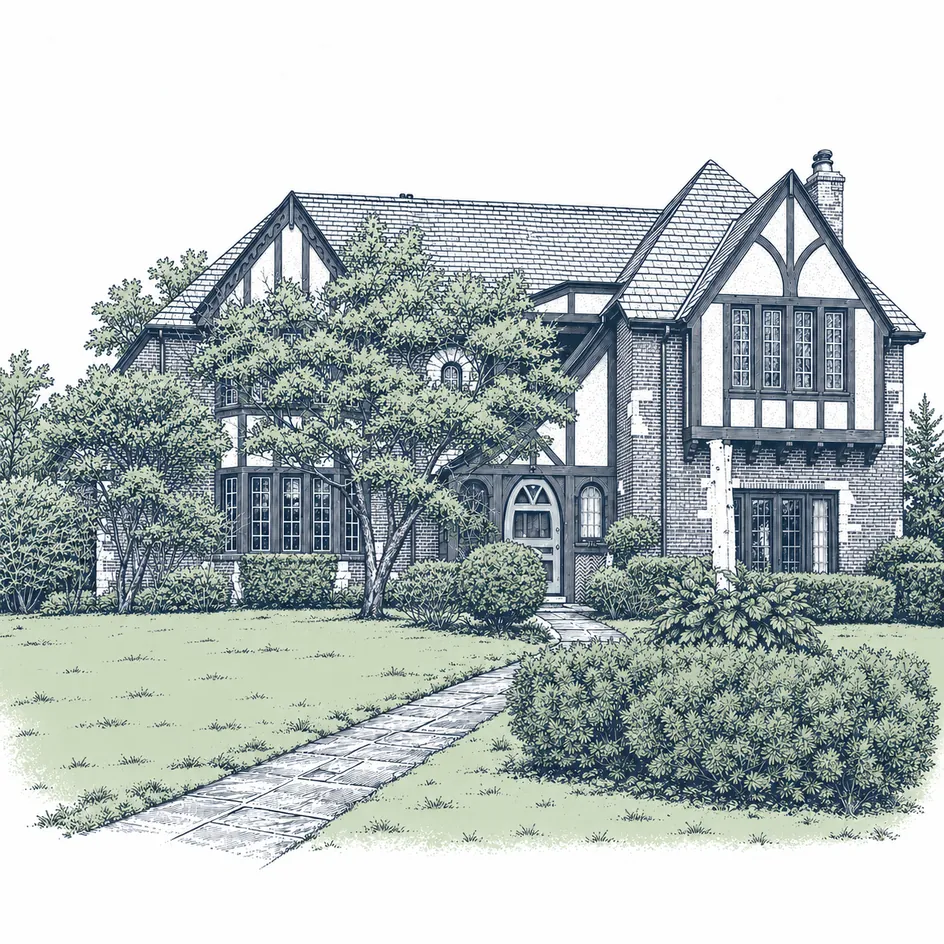
Ink illustration of a brick Tudor house in River Forest with mature trees and a flagstone walk
01

Read the buying guide before you take the first estimate.

Twelve guides, one per project, written for houses built between 1900 and 1940. Each one explains what is being replaced, what drives the price, and the questions to ask before you sign.

02

Find a contractor the Village has already licensed.

Every company licensed to work in River Forest, by trade, with what we could learn about each one. Start there instead of with a search engine and a stranger’s five stars.

03

Check what the Village requires, and what it will pay for.

Which projects need a permit, how to verify a license, and the three reimbursement programs that cover sewer, basement and lead pipe work. Most homeowners find out after the invoice.

Local focus

Two and a half square miles. Even Tony Accardo called it home.

River Forest is small on purpose. About 11,700 people at the 2020 Census, no downtown to speak of, and a street grid that runs out at the Des Plaines River on one side and Harlem Avenue on the other. Many of the houses went up between 1900 and 1940, and the oaks along Keystone and Lathrop were here before any of them. The brick and stone house on the right is on Franklin Avenue. Tony Accardo, who ran the Chicago Outfit, lived in it from 1951 to 1963.

People move here for the schools and stay for the walk to them. Lincoln and Willard feed Roosevelt, and Roosevelt sends kids on to Oak Park and River Forest High, over the line in Oak Park. Dominican and Concordia sit inside the village limits, which is why a town this size has two campuses, a lecture series, and a decent chance of running into a professor at Bertolli’s.

Keystone and Priory are the parks people mean when they say “the park.” Thatcher Woods is the one people forget is here. The Metra runs from the River Forest station to Ogilvie in about twenty minutes, close enough that half the village commutes and far enough that nobody hears the city. That mix, old houses and a train downtown, is what the 60305 is for.
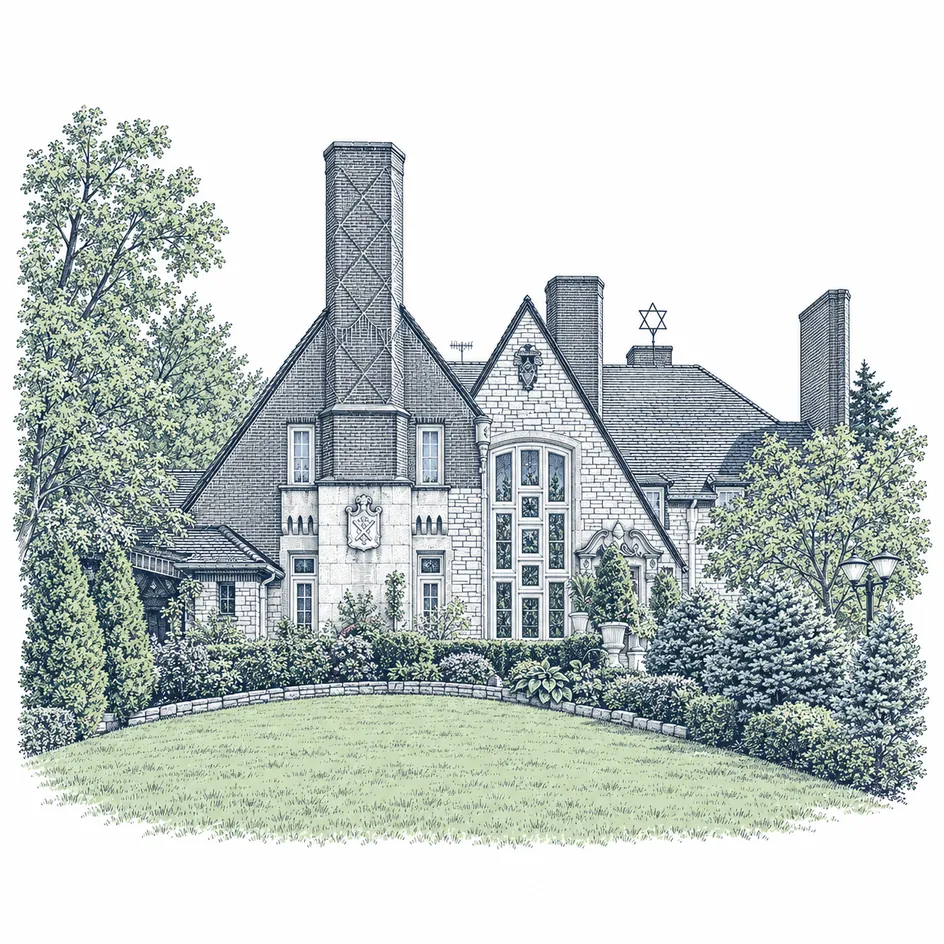
Illustrated brick and stone mansion on Franklin Avenue in River Forest, once the home of Tony Accardo, with a tall diamond-patterned chimney and mature trees
Find a contractor